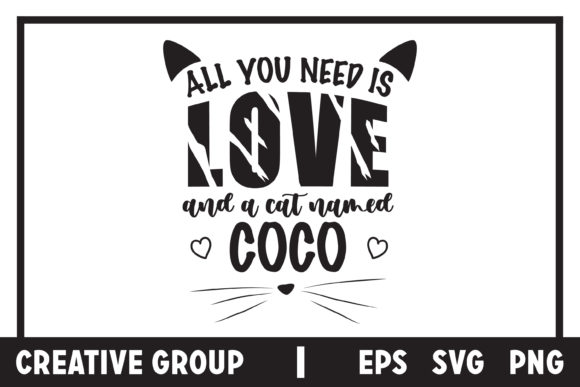
COCO Embroidery Design Review
First Impressions of COCO
When I first opened the COCO embroidery design file, it immediately felt like a breath of fresh air. The layout is clean and balanced, with a soft, whimsical vibe that suggests it's perfect for more delicate or personal projects. The shape and theme seem to lean into a playful yet elegant aesthetic, which makes me think of how it could work well on items like tote bags, baby clothes, or even as an embroidered patch.
The detail level is just right—not too intricate that it becomes overwhelming, but enough to give the design personality. It has a subtle charm that feels like it would appeal to a wide range of customers, from young parents looking for personalized gifts to Etsy sellers crafting boutique-style products.
Real-Life Scenario: Custom Embroidered Tote Bag
Let’s say I’m preparing a custom embroidered tote bag for a small shop. I want something that adds character without overpowering the fabric. COCO fits perfectly here. Its gentle curves and soft lines would translate beautifully into satin stitch or fill stitch applications, giving the bag a polished yet approachable look.
I can imagine this design working well in a variety of color schemes. Testing it on scrap fabric first would be key—especially checking thread color contrast to ensure it stands out on different backgrounds. If the tote is going to be used frequently, I’d also consider the fabric texture and whether a stabilizer might be needed to keep the stitches crisp over time.
For someone selling handmade products, COCO could serve as a great addition to their lineup. It has the potential to elevate a basic tote into something more unique and marketable. This kind of design helps build brand consistency and customer trust, especially when paired with quality craftsmanship.
Performance in Real Embroidery Situations
COCO shows promise across a range of real-life embroidery scenarios. On custom apparel like sweatshirts or t-shirts, its simplicity allows it to stand out without competing with other design elements. It works equally well on baby clothes, where a soft, non-intrusive motif is often preferred.
As an embroidered patch, COCO could add a nice touch to jackets, backpacks, or even aprons. For holiday gifts, it offers a versatile option that can be adapted to seasonal themes through color changes or additional embellishments. When considering commercial embroidery, it’s important to test the design on various fabric types, including stretchy materials or dark-colored garments, to ensure it maintains its visual appeal after washing.
Its adaptability makes it a good fit for craft fair products, boutique branding, and printable mockups. As a digital embroidery file, it provides value to both personal and commercial projects, especially for those who rely on consistent, high-quality design assets.
Where to Use COCO with Caution
While COCO is a strong design, there are certain situations where it should be used carefully. For instance, if the project involves small hoop sizes, the details might get lost or require adjustments. Similarly, on textured fabrics or thin materials, the stitching clarity could suffer without proper stabilizers.
Care should also be taken when using COCO on stretchy fabrics or curved surfaces like caps. In these cases, the design may need to be resized or repositioned to maintain its integrity. Additionally, tiny lettering or dense stitch areas could become problematic, so reviewing the stitch density and testing the design in black and white mockups would be wise before finalizing any project.
If the finished product will undergo frequent washing, it’s essential to confirm that the design holds up under repeated use. This is particularly important for items like pillow covers, kitchen towels, or blankets, where durability plays a significant role in customer satisfaction.
Practical Embroidery Designer Notes
Before committing to using COCO in a project, I recommend taking a few practical steps. First, test the design on scrap fabric to see how it looks in different colors and on various fabric types. Checking thread color contrast is crucial, especially if you plan to use it on dark or light backgrounds.
Reviewing the stitch density will help determine if the design needs simplification or reinforcement for specific applications. Confirming the hoop size required for the design is also important to avoid unnecessary complications during the embroidery process.
Inspecting small details and ensuring they remain clear after stitching is another key step. Testing the design in black and white mockups can reveal potential issues with visibility or proportion. Comparing it on light and dark fabric backgrounds can also help identify any necessary adjustments.
Using proper stabilizer is always recommended, especially for delicate or stretchy fabrics. Finally, before selling any finished items or digital products, make sure to confirm the licensing terms provided by the creator of COCO. This ensures that your use aligns with the intended permissions and protects your business from legal issues.
Overall, COCO is a versatile machine embroidery design that can enhance a variety of handmade products, personalized gifts, and commercial embroidery projects. With thoughtful planning and testing, it has the potential to become a valuable asset in any designer’s portfolio.