ROSIE Embroidery Design Review
A First Look at ROSIE’s Visual Personality
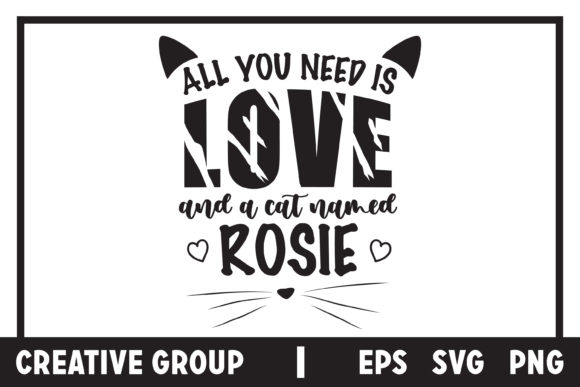
Opening the .zip file and extracting the SVG for ROSIE, I immediately noticed its clean, minimalist structure. The design has a soft, approachable mood that feels like it belongs on a baby onesie or a cozy tote bag. Its layout is balanced with subtle detailing, making it versatile enough to suit both casual and more refined embroidery projects.
The theme of ROSIE seems to lean toward simplicity with a touch of charm. It doesn’t scream for attention but instead invites quiet appreciation. This makes it ideal for embroidered patches, personalized gifts, or even as part of a larger applique design on a sweatshirt or apron.
How ROSIE Performs in Real-Life Embroidery Projects
Testing ROSIE on a scrap fabric sample gave me confidence in how it would translate onto real products. The stitch density was moderate, which means it should handle well on most fabrics without puckering or pulling. For custom apparel, like a tote bag or sweatshirt embroidery, this level of detail is perfect—it adds character without overwhelming the fabric.
I imagine ROSIE working beautifully on baby clothes, where delicate stitching is key. It also shows promise for holiday embroidery, especially if paired with complementary colors or textures. As an Etsy seller or small shop product, ROSIE could be used as a standalone patch or as part of a set of coordinating designs.
For commercial embroidery projects, the design's clarity and clean lines make it suitable for branding purposes. Whether it's a boutique logo or a handmade product label, ROSIE brings a sense of professionalism and consistency to any finished product.
Where to Use ROSIE with Caution
While ROSIE is adaptable, there are scenarios where extra care is needed. On small hoop sizes, the details might get lost or distorted, so testing on a larger hoop first is recommended. Textured fabrics, thin materials, or stretchy surfaces like caps may require additional stabilizer to prevent shifting during stitching.
Dense stitch areas could pose a challenge on dark fabric, where contrast might be harder to achieve. In such cases, experimenting with thread colors is essential to ensure the design remains visible and visually appealing. For layered garments or curved surfaces, like hats, using a proper backing material can help maintain the integrity of the design.
Design Considerations for Embroidery Professionals
If you're an embroidery designer or craft business owner, here are a few practical notes to keep in mind when working with ROSIE:
- Test on scrap fabric before committing to your final product to see how it behaves with different thread colors and fabric types.
- Check stitch density and adjust if necessary, especially if you're planning to use it on thinner or stretchy materials.
- Confirm hoop size and ensure your machine can handle the dimensions required for a clean finish.
- Inspect small details and consider whether they will remain clear after stitching, particularly if you plan to sell digital embroidery files or printable mockups.
- Review light and dark fabric backgrounds to ensure the design stands out and maintains visual appeal across different substrates.
- Use proper stabilizer to avoid distortion, especially on delicate or textured fabrics.
- Check licensing before selling finished items or digital products to ensure you’re within the terms of use provided by the designer.
Final Thoughts on ROSIE’s Value and Appeal
ROSIE is a solid addition to any embroidery designer’s toolkit. Its versatility allows it to fit into a variety of projects—from personal handmade gifts to commercial embroidery work. The design’s clean aesthetic and thoughtful detail contribute positively to the visual appeal of any finished product, helping to elevate the handmade presentation and build customer trust.
Whether you're an Etsy seller looking to expand your product line, a hobbyist crafting personalized gifts, or a small shop owner creating boutique merchandise, ROSIE offers a reliable and attractive option for your embroidery projects. Just remember to test it thoroughly and consider the fabric and technique best suited for your specific needs.
Overall, ROSIE is a great example of how a simple design can have a big impact—especially when used thoughtfully and with attention to detail. It’s a worthwhile investment for anyone serious about their embroidery work or looking to add a new, elegant design to their collection of print templates and graphics.